
Without the tireless work of the people who salt our roads, our Michigan winters would be a lot less safe. However, we all know that salt can do a number on our cars, and rust is often a result. Moran Certified Pre-Owned explains why this happens and how the Moran body shop can help keep your car in great condition.
What Does Salt Do to a Car?
Road salt lowers the freezing point of water, helping melt snow and ice. When salty water collects on exposed iron or steel, however, the dissolved salt acts as an electrolyte that accelerates the corrosion process. Over time, this can produce rust and weaken unprotected metal components. In addition, salt is terrible for exterior paint, as it wears down protective coatings, which can lead to chips or bubbling.
Parts Affected by Salt
In addition to the exterior, salt can wreak havoc with many other components of a vehicle, including:
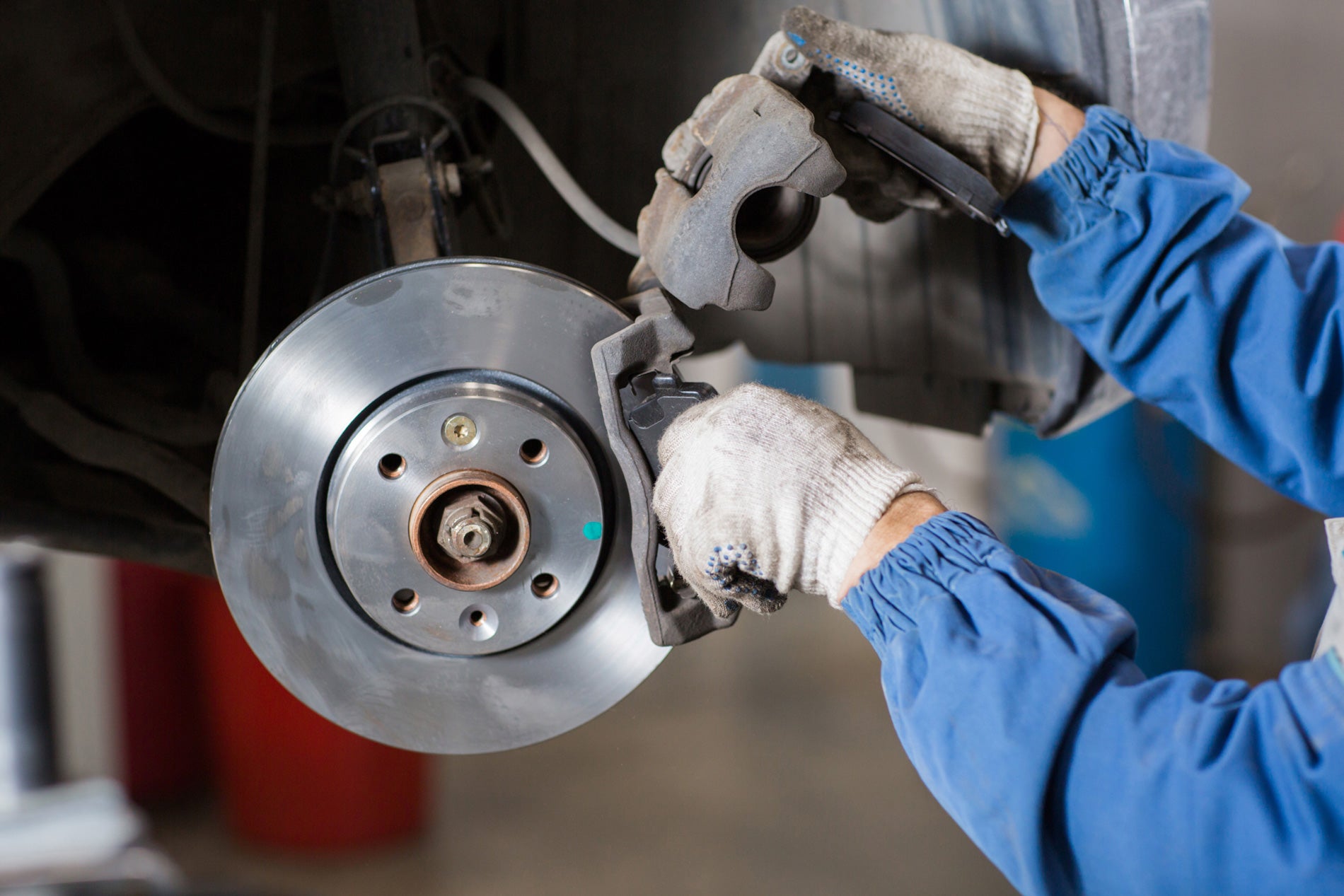
- Suspension and steering systems: Salty moisture can corrode control arms, fasteners, joint housings and other exposed metal components
- Frame: Salt spray hurts the structural frame and subframes
- Exhaust system: When combined with heat, salt corrodes the muffler and pipes
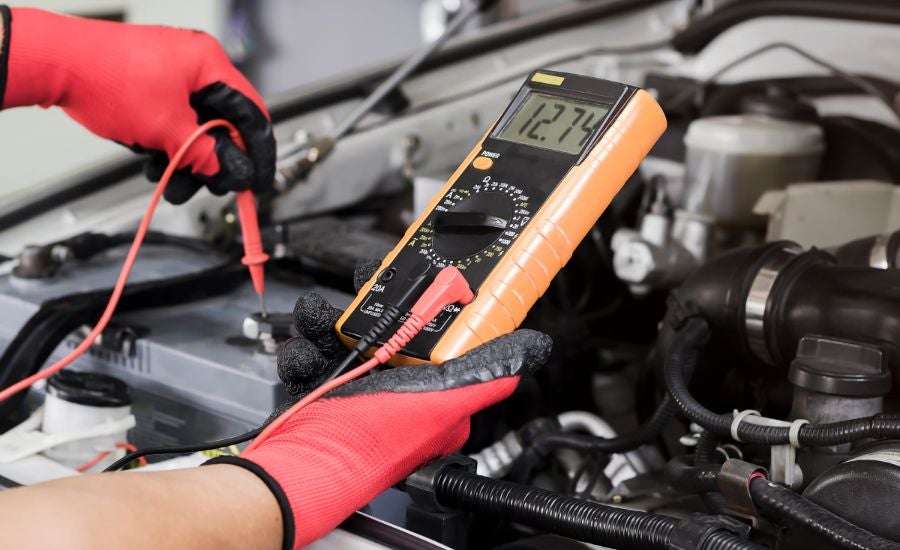
- Electrical parts: Salt can get into battery terminals and wiring harnesses
Tips for Preventing Rust and Other Damage from Salt
Fortunately, there are things you can do to keep your vehicle safeguarded this winter. First, Wash the vehicle regularly throughout winter and as soon as practical after heavy salt exposure. Choose a car wash with an underbody rinse so salt is removed from wheel wells, seams and undercarriage components. Lastly, you should have your vehicle waxed and apply an underbody antirust spray.
Prepare Your Car for Winter Roads
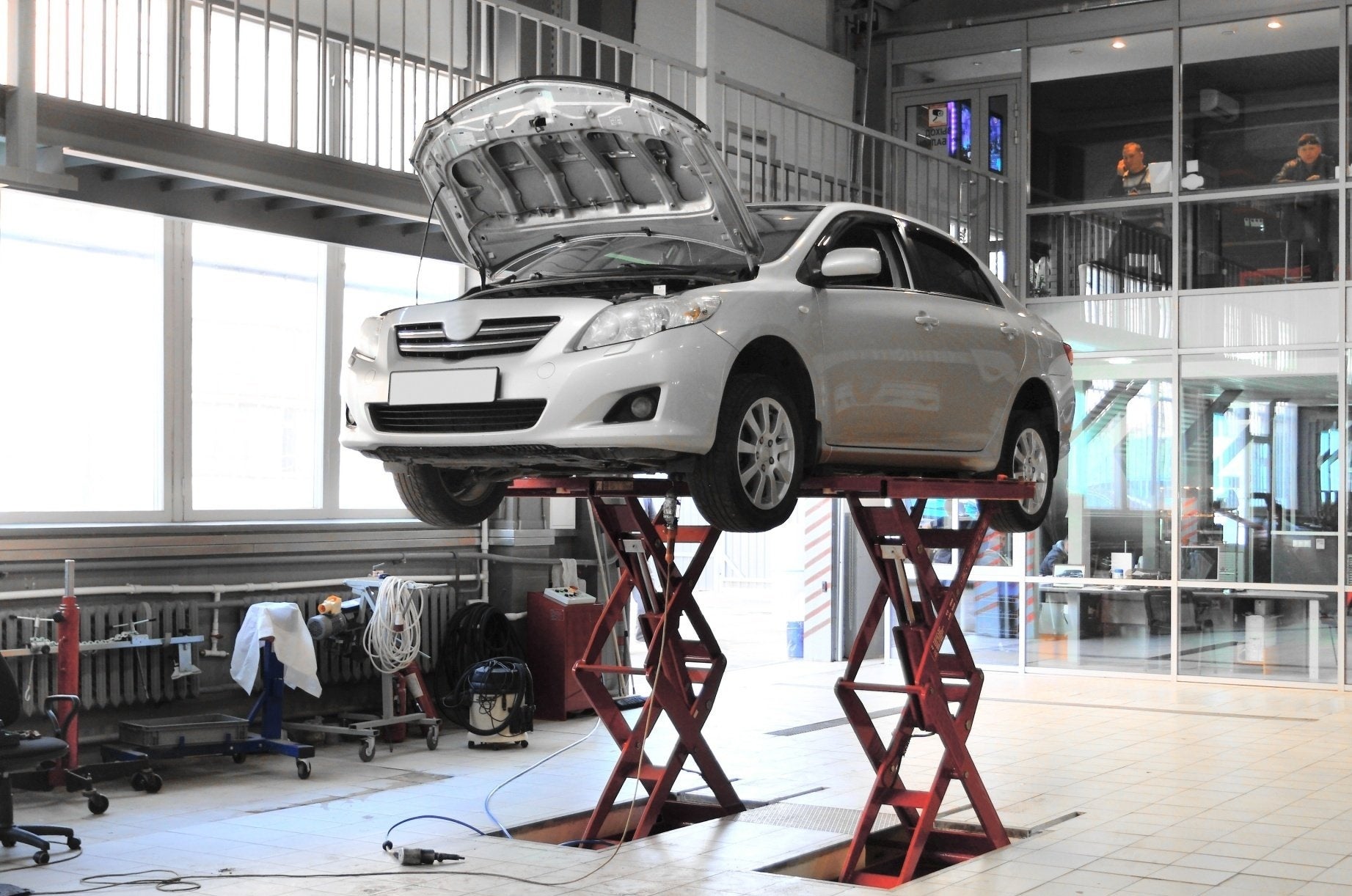
Before you start driving on salt-coated streets, now is the time to prepare your car. Contact Moran Certified Pre-Owned to schedule an appointment with our body shop. We’ll work to make sure your vehicle is protected.